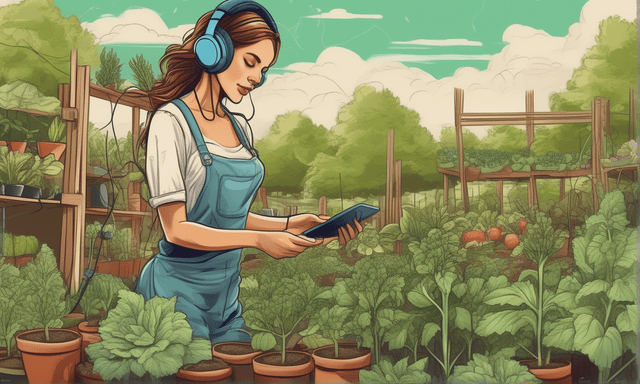
How AI AgTech Helps Farms and Food Nonprofits Grow

Agriculture is becoming more data-driven, connected, and technology-supported. Farmers, cooperatives, food nonprofits, agribusinesses, and community agriculture projects now need better tools to plan, monitor, and improve their work.
That is where AgTech software becomes valuable.
The best agriculture software does more than store records. It helps teams make smarter decisions about crops, soil, water, equipment, labor, supply chains, sustainability, and risk.
AI is also changing what AgTech can do. With the right systems, agriculture teams can analyze field data, forecast risks, monitor crop health, optimize resources, summarize reports, and spot patterns faster. FAO notes that digital technologies and AI can support more efficient, sustainable, and resilient agrifood systems, including precision farming, climate-smart agriculture, supply chain optimization, and market access.
Source: https://www.fao.org/innovation/digital-agriculture-and-ai-innovation/en
For nonprofits working in food security, smallholder support, community gardens, sustainable agriculture, or climate resilience, smarter agriculture software can also help track impact, support farmers, reduce waste, and improve transparency.
The agricultural industry has come a long way since the days of manual labor and traditional farming methods. Today, technology plays a vital role in modern agriculture, allowing farmers and agriculture workers to increase productivity, reduce waste, and make more informed decisions. AgTech, or agricultural technology, has revolutionized the way we approach farming and has opened up new opportunities for sustainable and efficient agriculture.
Chapters

What Is AgTech Software?
AgTech software is technology designed to help farmers, agricultural organizations, cooperatives, food companies, and nonprofits manage agriculture-related work more effectively.
It can support:
- Crop planning
- Soil monitoring
- Weather tracking
- Irrigation planning
- Field mapping
- Pest and disease detection
- Farm records
- Inventory management
- Equipment tracking
- Labor planning
- Supply chain visibility
- Food distribution
- Sustainability reporting
- Yield forecasting
- Financial planning
- AI-assisted decision-making
Modern agriculture software often combines data from sensors, satellites, drones, weather services, mobile apps, machinery, and manual field observations.
The goal is simple: help people make better agricultural decisions with clearer information.
Why Smarter Agriculture Software Matters
Agriculture teams face pressure from climate change, rising costs, labor shortages, supply chain disruption, soil health challenges, water scarcity, and growing demand for food.
Smarter software helps teams respond with better planning and better data.
Agriculture software can help:
- Reduce waste
- Improve crop decisions
- Track field conditions
- Use water more efficiently
- Monitor soil health
- Manage inputs
- Improve yields
- Plan harvests
- Reduce manual admin
- Coordinate teams
- Forecast risks
- Track sustainability goals
- Support smallholder farmers
- Improve food distribution
- Measure program impact
For food-focused nonprofits, AgTech software can also connect farming work to mission outcomes. For example, a nonprofit garden, food bank farm, or regenerative agriculture program can track harvest volumes, volunteer hours, donation distribution, soil improvements, and community impact in one place.
AI-Powered Farm Insights
AI is becoming one of the most important AgTech features.
AI can help agriculture teams:
- Analyze field data
- Predict crop stress
- Summarize weather risks
- Identify patterns in yield data
- Suggest irrigation timing
- Detect possible pest or disease issues
- Create reports
- Analyze survey responses from farmers
- Forecast demand
- Summarize program impact
- Compare field performance
- Generate task recommendations
AI works best when it supports human decision-making. Farmers, agronomists, and field teams still bring local knowledge, experience, and judgment that software cannot replace.
Microsoft’s FarmBeats research highlights this balance by combining farm data with the farmer’s own knowledge and intuition to help increase productivity and reduce costs.
For nonprofits supporting smallholder farmers, AI tools should be practical, explainable, affordable, and adapted to local conditions.
Field Mapping and Farm Data Management
Good AgTech software should make it easy to map fields and organize farm data.
Useful field management features include:
- Field boundaries
- Crop history
- Planting dates
- Harvest dates
- Soil test records
- Input records
- Weather notes
- Irrigation history
- Pest observations
- Yield data
- Satellite or drone imagery
- GPS-based field notes
- Task assignments
- Photo uploads
Field mapping helps teams understand what is happening where.
This matters because one field may have different soil, drainage, pest pressure, crop performance, or water needs than another.
Precision agriculture focuses on observing, measuring, and responding to within-field variability. USDA explains that precision agriculture uses tools such as GPS and GNSS to help farm managers respond to field differences and make resource management decisions in real time.
Soil and Crop Monitoring
Soil and crop health are central to smarter agriculture.
AgTech software can help track:
- Soil moisture
- Soil temperature
- Nutrient levels
- pH
- Organic matter
- Crop growth stage
- Plant stress
- Disease signs
- Pest pressure
- Weed pressure
- Irrigation needs
- Crop rotation history
- Field photos
Sensors, mobile apps, satellite imagery, and field scouting can all feed into the system.
The value is not just collecting data. The value comes from turning data into decisions.
For example:
Which field needs irrigation first?
Where is crop stress increasing?
Which area needs scouting?
Is a nutrient issue appearing?
Which crop variety performed best?
How did weather affect yield?
Better monitoring can help teams act earlier and waste fewer resources.
Weather and Climate Risk Tools
Weather affects almost every agricultural decision.
Smart agriculture software should include weather and climate features such as:
- Local forecasts
- Rainfall tracking
- Heat warnings
- Frost alerts
- Drought indicators
- Wind conditions
- Growing degree days
- Irrigation planning
- Storm risk
- Field accessibility notes
- Climate trend reporting
For nonprofits and agriculture development organizations, climate risk tools are especially important. Many farmers are already facing unpredictable growing seasons, droughts, floods, and extreme heat.
AI-supported weather and field data can help teams prepare earlier, but local knowledge remains essential.
A weather alert is useful. A farmer’s understanding of soil, crop stage, and local microclimate makes it more useful.
Irrigation and Water Management
Water is one of the most important resources in agriculture.
AgTech software can help teams use water more efficiently by combining weather data, soil moisture data, crop needs, field history, and irrigation schedules.
Useful irrigation features include:
- Soil moisture tracking
- Irrigation recommendations
- Water use records
- Rainfall history
- Crop water needs
- Pump and equipment tracking
- Leak alerts
- Field-level irrigation plans
- Water cost tracking
- Drought response planning
For nonprofits working in climate resilience, food security, or community agriculture, water management tools can support both productivity and sustainability.
Better irrigation decisions can reduce waste, lower costs, and protect crops during stressful periods.
Inventory, Equipment, and Input Tracking
Agriculture depends on many moving parts.
Smart software should help manage:
- Seeds
- Fertilizer
- Compost
- Soil amendments
- Pesticides
- Biological controls
- Tools
- Machinery
- Fuel
- Packaging
- Harvest containers
- Storage materials
- Irrigation supplies
- Safety equipment
Input tracking helps teams understand what was used, where, when, and why.
This supports better budgeting, sustainability reporting, compliance, and planning.
For nonprofits, inventory tracking can also prevent waste. A community farm or food program may need to know how much seed is available, which tools need maintenance, what supplies volunteers need, and what harvest containers are ready for donation days.
Labor and Task Management
Farm work is time-sensitive. Planting, harvesting, watering, scouting, packing, and distribution often need to happen at the right moment.
AgTech software should help teams coordinate tasks clearly.
Useful features include:
- Task assignments
- Recurring tasks
- Field-level work orders
- Crew schedules
- Volunteer scheduling
- Mobile task updates
- Harvest checklists
- Equipment assignments
- Safety instructions
- Photo-based task proof
- Time tracking
- Staff and volunteer notes
For nonprofit farms, community gardens, and agriculture training programs, task management can help staff, volunteers, trainees, and partners stay aligned.
Clear task systems reduce confusion and make the workday smoother.
Supply Chain and Food Distribution Tracking
Agriculture does not end at harvest.
For many organizations, the next challenge is getting food to the right place at the right time.
AgTech and food system software can help track:
- Harvest volumes
- Storage locations
- Packing status
- Delivery routes
- Donation recipients
- Buyer orders
- Cold storage
- Food safety records
- Distribution schedules
- Waste or spoilage
- Inventory movement
- Market access
- Partner organizations
For food nonprofits, this can be mission-critical.
A food security organization may need to track which crops were harvested, how much was donated, which community partners received food, and how many meals or households were supported.
Better tracking improves transparency and helps teams tell stronger impact stories.
Sustainability and Impact Reporting
Smarter agriculture software should help organizations measure more than output.
It can also support sustainability and impact reporting.
Track metrics such as:
- Yield per field
- Water use
- Input use
- Soil health indicators
- Compost use
- Pesticide reduction
- Food donated
- Food waste reduced
- Volunteer hours
- Households supported
- Carbon-related estimates
- Regenerative practices
- Biodiversity indicators
- Training participation
- Farmer adoption of practices
The World Bank highlights that data-driven digital agriculture can improve yields, reduce waste, lower costs, strengthen resilience, and decrease harmful emissions.
For nonprofits, these metrics can support grant reporting, donor communication, board updates, and community storytelling.
Mobile Access for Field Teams
Agriculture software needs to work where the work happens: in the field.
Mobile access is essential.
Good mobile features include:
- Offline mode
- Simple data entry
- Photo uploads
- GPS tagging
- Task updates
- Field notes
- Scouting reports
- Voice notes
- QR code scanning
- Weather alerts
- Harvest logging
- Volunteer check-ins
- Low-bandwidth performance
This is especially important in rural areas or farms with weak internet access.
If the software only works well in an office, it may not fit real agricultural workflows.
Integrations with Existing Tools
AgTech software becomes more useful when it connects with the tools teams already use.
Helpful integrations may include:
- Weather data services
- Satellite imagery
- IoT sensors
- Drones
- Accounting software
- CRM systems
- Donation platforms
- Email tools
- Project management software
- Inventory systems
- Food safety systems
- Government reporting tools
- Data dashboards
- GIS tools
- Communication apps
For nonprofits, integrations can reduce duplicate data entry.
For example, harvest data could support impact reporting. Volunteer hours could connect to program records. Donation distribution data could help with grant reports.
The best software helps data move where it needs to go without creating extra manual work.
Data Privacy, Ownership, and Farmer Trust
Agricultural data can be sensitive.
It may include field locations, production data, financial information, personal details, land use records, and business decisions.
Before choosing AgTech software, ask:
- Who owns the data?
- How is the data stored?
- Can users export their data?
- Is data shared with third parties?
- Is the platform secure?
- Can permissions be managed?
- Does AI use the data for training?
- Can sensitive information be removed?
- What happens if the organization stops using the tool?
This is especially important for nonprofits working with smallholder farmers, vulnerable communities, or grant-funded programs.
Technology should build trust, not extract value without clear consent.
How Nonprofits Can Use AgTech for Food Security
Nonprofits can use AgTech software to improve food security programs in practical ways.
Examples include:
- Tracking community garden harvests
- Planning crop donations
- Managing volunteer farm days
- Monitoring soil and water use
- Supporting smallholder farmer training
- Tracking farmer participation
- Analyzing crop production data
- Coordinating food distribution
- Mapping areas of need
- Measuring food waste reduction
- Reporting harvest impact to donors
- Creating AI-assisted educational content
- Sharing weather and pest alerts
- Improving local food supply planning
AgTech can help nonprofits move from scattered records to clearer insight.
A food nonprofit could track how many kilograms of produce were grown, where the food went, how many households were supported, and which growing practices improved yields.
That kind of data helps strengthen both operations and storytelling.
Choosing the Right Agriculture Software
The best AgTech software depends on your goals.
Before choosing a platform, ask:
- What decisions do we need to improve?
- What data do we already collect?
- Who will use the software?
- Will it work in the field?
- Does it support mobile and offline use?
- Can it connect with our current tools?
- Does it support AI responsibly?
- How easy is it to train users?
- Does it fit our budget?
- Can we export our data?
- Does it protect farmer and donor information?
- Will it help with reporting?
- Can it grow with the organization?
Do not choose the most complex tool by default. Choose the tool your team will actually use.
For many nonprofits and small farms, simple, reliable, mobile-friendly software is better than a powerful system that is too difficult to maintain.
AgTech Software Checklist
Use this checklist when comparing agriculture software:
- Field mapping
- Crop planning
- Soil monitoring
- Weather alerts
- Irrigation tracking
- Pest and disease notes
- AI-powered insights
- Mobile access
- Offline functionality
- Task management
- Inventory tracking
- Equipment records
- Harvest logging
- Supply chain tracking
- Food distribution records
- Sustainability metrics
- Impact reporting
- Data export
- User permissions
- Privacy controls
- Integrations
- Simple onboarding
- Affordable pricing
- Human review of AI recommendations
The right AgTech software should help people make better decisions, not bury them in dashboards.
Precision farming and GPS integration
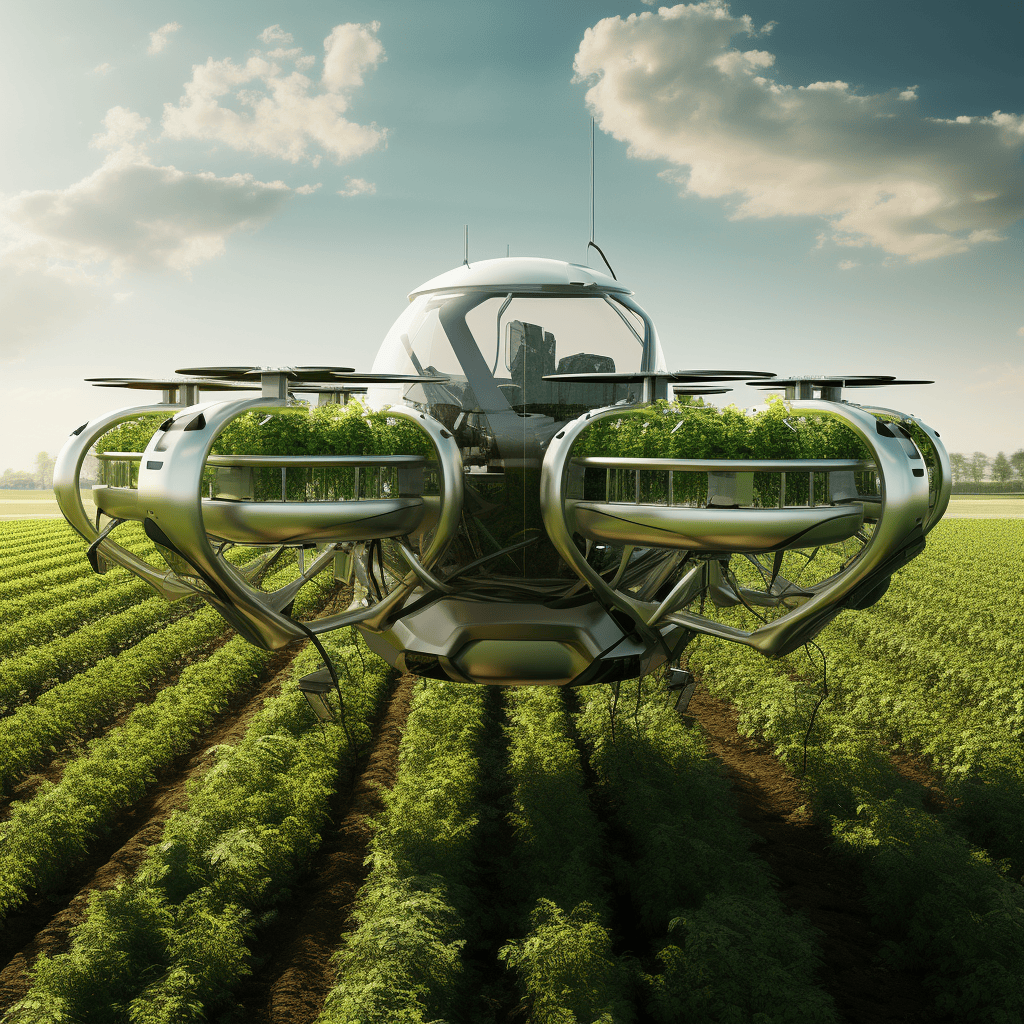
Precision farming is one of the most significant advancements in modern agriculture. It involves using technology like GPS and remote sensing to optimize field-level management with regard to variations in soil quality, moisture levels, and crop health. Smarter agriculture software must integrate GPS technology to enable precise tracking of planting, harvesting, and other field operations. GPS integration allows farmers to:
- Create accurate field maps: GPS technology enables the creation of detailed field maps, helping farmers understand their land’s topography and specific characteristics.
- Implement variable rate technology: Precision agriculture software can apply different rates of inputs (such as fertilizers and pesticides) in various parts of a field, based on the information collected from GPS systems. This optimizes resource use and maximizes yields.
- Reduce overlap and waste: GPS-guided machinery can significantly reduce overlap, leading to cost savings and lower environmental impact.
Data analytics and farm management
Smarter agriculture software should offer robust data analytics and farm management tools. Farmers and agriculture workers can benefit from features like:
- Crop and soil health analysis: The software should provide real-time data on crop growth and soil conditions. This data can be used to make timely decisions regarding irrigation, nutrient application, and pest control.
- Yield forecasting: Accurate yield predictions help farmers plan their harvest and make marketing decisions. By analyzing historical data and current crop conditions, the software can provide insights into future yields.
- Inventory management: Keeping track of equipment, inputs, and other resources is essential for efficient farm management. The software should provide tools to monitor and manage inventory, reducing waste and downtime.
- Compliance and reporting: Many regions have specific regulations related to farming practices. Agriculture software can help farmers stay compliant with these regulations and generate reports for authorities.
Remote monitoring and automation
Agriculture software should enable remote monitoring and automation of various farming tasks, reducing the need for manual labor and providing real-time oversight of operations. Some key features include:
- Sensor integration: Software should connect with sensors that monitor temperature, humidity, soil moisture, and more. This data can be used to make informed decisions and automate irrigation and climate control systems.
- Livestock tracking: For livestock farmers, software that tracks animal health, location, and feed consumption is essential for efficient management.
- Equipment control: The ability to remotely start, stop, and monitor farm machinery such as irrigation systems and drones can save time and labor costs.
Weather forecast integration

Weather is a crucial factor in agriculture. Unpredictable weather events can have a significant impact on crop yield and quality. Smarter agriculture software should integrate weather forecast data to:
- Plan operations: Farmers can adjust their planting, harvesting, and spraying schedules based on upcoming weather conditions, reducing the risk of crop damage.
- Disease and pest management: Early warnings about adverse weather conditions can help farmers prepare for potential disease and pest outbreaks.
- Irrigation management: Knowing when rain is expected can help optimize irrigation practices, saving water and energy.
Mobile accessibility and user-friendly interfaces
Agriculture workers and farmers are often on the move, working in the field or managing various tasks. Therefore, agriculture software must be accessible on mobile devices and offer user-friendly interfaces. Key benefits include:
- Real-time decision-making: Farmers can access critical data and make informed decisions while in the field, reducing delays and increasing efficiency.
- Ease of use: The software should be intuitive, requiring minimal training for agriculture workers and farmers to use effectively.
- Communication: Mobile accessibility allows for better communication and collaboration between team members, contractors, and advisors.
Conclusion
Smarter agriculture software is a game-changer for the agricultural industry. It empowers agriculture workers and farmers to optimize their operations, reduce waste, and make data-driven decisions. Features like precision farming, data analytics, remote monitoring, weather forecast integration, and mobile accessibility are essential for modern agriculture software to meet the evolving needs of the industry. As technology continues to advance, the integration of these must-have features will play a vital role in shaping the future of agriculture, making it more efficient, sustainable, and profitable for those who work the land. For that reason, seeking consultation from technology partners with strong domain expertise and experience with developing data analytics tools and management systems for agriculture enterprises is one of the first steps industry leaders should take to prepare for faster, better, and more efficient operations across their facilities.
FAQ
What is AgTech software?
AgTech software is technology designed to help manage agriculture work such as crop planning, field mapping, soil monitoring, irrigation, inventory, harvest tracking, supply chains, sustainability reporting, and farm decision-making.
How does AI help agriculture?
AI helps agriculture by analyzing farm data, identifying patterns, supporting crop monitoring, forecasting risks, optimizing resources, summarizing reports, and helping teams make faster decisions. Human expertise is still needed to interpret and act on AI recommendations.
What are must-have features in agriculture software?
Must-have agriculture software features include field mapping, crop records, soil and weather data, irrigation tracking, task management, inventory, mobile access, reporting, integrations, privacy controls, and AI-supported insights.
Why is precision agriculture important?
Precision agriculture is important because it helps farmers observe, measure, and respond to differences within fields. This can improve resource use, crop management, productivity, and decision-making.
How can nonprofits use AgTech?
Nonprofits can use AgTech to support food security, community farms, smallholder training, crop donation programs, harvest tracking, volunteer coordination, climate resilience, and impact reporting.
What should organizations consider before choosing AgTech software?
Organizations should consider ease of use, mobile access, offline functionality, data ownership, privacy, integrations, reporting needs, AI transparency, cost, training requirements, and whether the tool fits real field workflows.
What is AgTech?
AgTech, short for agricultural technology, refers to the use of technology in agriculture to improve yield, efficiency, and profitability. This includes a range of technologies from simple software and mobile apps to advanced robotics and gene editing.
How does AgTech benefit farmers?
AgTech benefits farmers by providing more precise farming techniques, improving crop management through data analysis, reducing labor costs with automation, and enhancing crop quality and yield with advanced genetic and nutritional technologies.
What are some common types of AgTech?
Common types of AgTech include precision agriculture, agricultural drones, farm management software, robotic systems, and biotechnology for crop improvements.
How does precision agriculture work?
Precision agriculture uses GPS and IoT sensors to monitor field conditions and crop health, allowing farmers to optimize their planting, watering, and fertilizing processes to maximize crop productivity and sustainability.
What role do drones play in agriculture?
Drones in agriculture are used for a variety of purposes, including aerial surveying of crops, monitoring irrigation systems, applying fertilizers or pesticides, and assessing crop health and soil conditions.
Can AgTech help in managing climate change impacts?
Yes, AgTech can help manage climate change impacts by enabling more resilient farming practices. Technologies such as weather forecasting models and water management systems can mitigate the effects of unpredictable weather patterns.
What is farm management software?
Farm management software helps farmers track farm operations, manage financial records, monitor crop health, and optimize resource use. It integrates data from various sources to provide actionable insights for better decision-making.
How does AgTech contribute to sustainable agriculture?
AgTech contributes to sustainable agriculture by reducing the need for water and chemical inputs, improving soil health through targeted interventions, and decreasing greenhouse gas emissions through more efficient farm operations.
What is the role of robotics in AgTech?
Robotics in AgTech includes the use of autonomous tractors, robotic harvesters, and drones, which help reduce labor costs and increase efficiency. Robots can also perform tasks with greater precision than human labor, such as weed control and harvesting.
How does biotechnology influence AgTech?
Biotechnology in AgTech involves genetic modifications and molecular diagnostics to improve crop resistance to diseases and pests, enhance nutritional values, and develop crops better suited to specific climates and soils.
What is vertical farming, and how is it related to AgTech?
Vertical farming is an approach to agriculture that grows crops in stacked layers, typically indoors, using controlled environment agriculture technology. This method is highly efficient, using less water and space, and is often integrated with AgTech solutions like automated watering and lighting systems.
What are the challenges faced by AgTech adoption?
Challenges include high initial costs, lack of access to technology in rural areas, data privacy concerns, and the need for skills training among farmers to effectively use new technologies.
How does AgTech affect the agricultural supply chain?
AgTech can streamline the agricultural supply chain by providing real-time data on crop production levels, automating supply chain processes, and improving the traceability of food products from farm to consumer.
What future technologies are emerging in AgTech?
Emerging technologies in AgTech include artificial intelligence applications for predictive analytics, blockchain for supply chain transparency, and gene editing technologies like CRISPR for crop improvement.
How can investors get involved in AgTech?
Investors can get involved in AgTech through venture capital funds dedicated to agricultural technology, direct investment in AgTech startups, or by participating in governmental and non-governmental programs that support AgTech innovation.
Check out our latest Content
Articles, Images, Videos, and more!
Get a Christian Coloring Book this Christmas
Never get Stuck – Ask the AI Buddy Anything
Convert Text into any Case
Pros and Cons of Shopping
Epic YT Title Examples
Earn $2000 a month!
Latest Videos