Popular AI Art Styles To Use In 2024 [+ Free AI Text-to-Image Generator]
In the ever-evolving landscape of creativity, AI has emerged as a groundbreaking tool, reshaping the boundaries of art.
Imagine a world where your artistic vision is enhanced by the power of artificial intelligence, allowing you to explore new styles, techniques, and depths of expression.
But, like any powerful tool, AI’s potential is unlocked not just through technical mastery, but through a thoughtful, authentic approach. In this guide, we’ll delve into the best practices for leveraging AI Art Styles, helping you create pieces that are not only innovative but deeply resonant. Be sure to check out the AI Text-to-Image Generator we’ve used for this example and start for free.
Chapters
How to Use Text-to-Image AI Art Styles [Video Tutorial]
AI Art Styles Best Practices
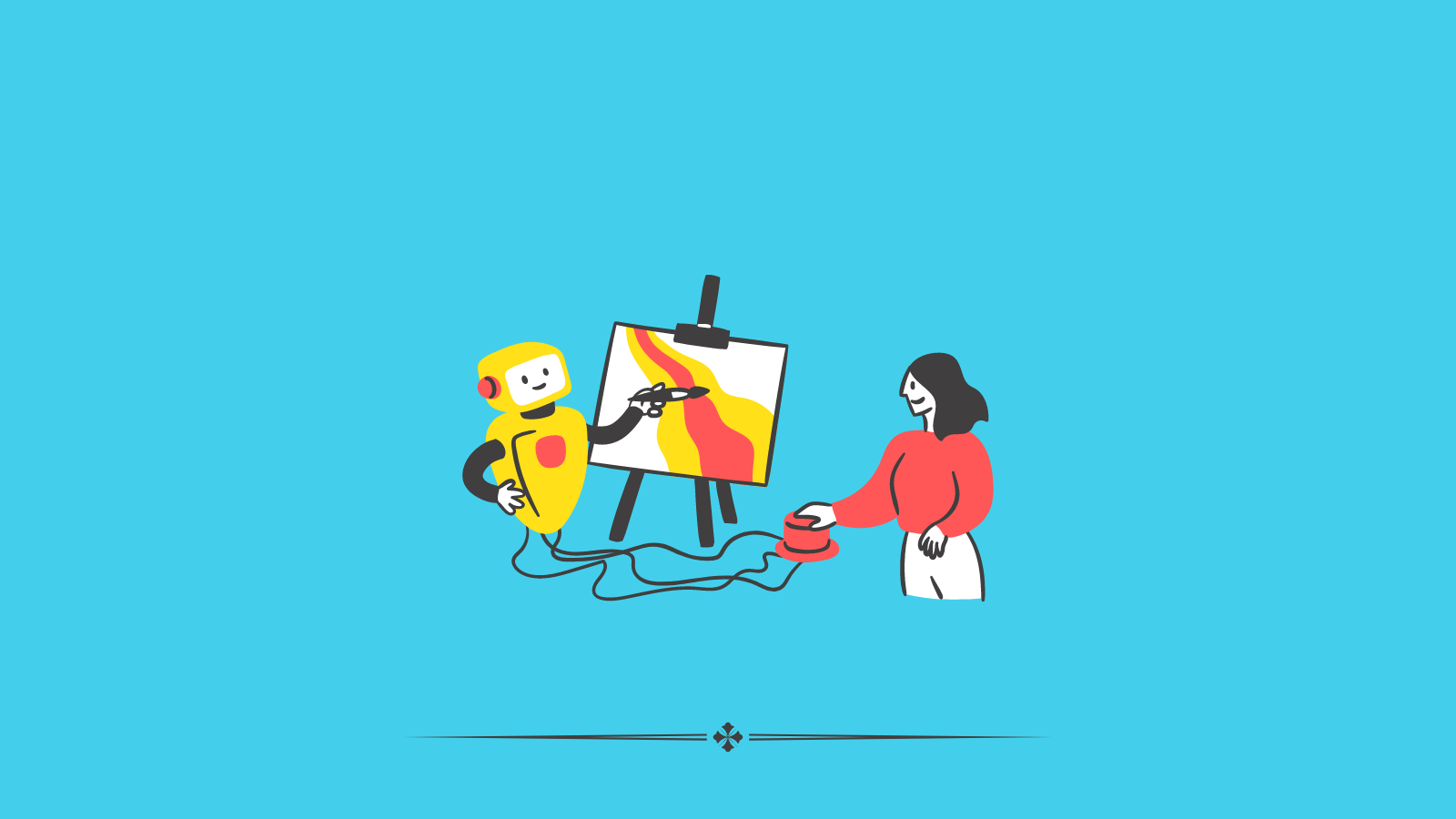
In the realm of creativity, AI has emerged as a powerful ally, transforming the way we conceive, create, and appreciate art. But harnessing the potential of AI in art requires more than just technical know-how; it demands a blend of vision, empathy, and authenticity. Here are the best practices for leveraging AI to create art that stands out and speaks to the human soul. Be sure to check out the best AI Text-to-Image Generators here and get started for free. Also check out how to use an AI Text-to-Image Prompt Generator.
Start with a Vision
AI is a tool, not a substitute for creativity. Begin with a clear vision of what you want to achieve. Whether it’s a surreal landscape, a modern abstract, or a lifelike portrait, your vision guides the AI, not the other way around. Your imagination sets the stage, and the AI helps bring it to life.
Embrace Experimentation
Great art often comes from unexpected places. Use AI image generator tools, such as Flux AI, to explore new styles, techniques, and concepts. Don’t be afraid to push boundaries and experiment. Let go of preconceived notions and allow the AI to surprise you. Innovation thrives in the space between the known and the unknown.
Maintain Your Authentic Style
AI can mimic styles and generate patterns, but it’s your unique voice that adds authenticity. Infuse your personality, your perspective, and your emotions into the work. AI should enhance your creativity, not replace it. Your authenticity is the soul of your art.
Focus on Emotional Impact
Art is about evoking emotions. Use AI to enhance the emotional depth of your work. Whether it’s the use of color, texture, or composition, aim to create pieces that resonate on a deep, emotional level. The best art moves people, makes them feel something profound.
Iterate and Refine
Creating art with AI is an iterative process. Don’t settle for the first result. Refine, tweak, and iterate until the piece aligns with your vision. Use feedback loops to improve and evolve your work. Iteration is key to achieving excellence.
Blend AI with Traditional Techniques
AI art doesn’t exist in a vacuum. Combine AI-generated elements with traditional techniques. Paint over digital prints, add hand-drawn elements, or mix in physical textures. This fusion of the digital and the traditional can create truly unique and compelling pieces.
Tell a Story
Every piece of art tells a story. Use AI to help narrate yours. Whether it’s a series of works that explore a theme or a single piece with intricate details, ensure there’s a narrative thread. Stories engage the viewer and add layers of meaning to your work.
Leverage AI’s Strengths
AI excels at pattern recognition, complex calculations, and generating variations. Use these strengths to your advantage. Let AI handle repetitive tasks, generate multiple versions of a concept, or explore intricate patterns that would be difficult to create manually. Focus your energy on the creative decisions that matter most.
Ethical Considerations
With great power comes great responsibility. Be mindful of the ethical implications of using AI in art. Respect copyright laws, give credit where it’s due, and ensure your use of AI aligns with your values. Ethical considerations are crucial in maintaining integrity in your work.
Engage with the Community
Art is a shared experience. Engage with the AI art community to exchange ideas, seek feedback, and collaborate. Community interactions can inspire new ideas and provide valuable insights. Collaboration enriches your work and expands your creative horizons.
Leveraging AI in art is about more than just using a tool; it’s about expanding your creative possibilities. Start with a clear vision, embrace experimentation, and maintain your authentic voice. Focus on emotional impact, iterate and refine your work, and blend AI with traditional techniques. Tell compelling stories, leverage AI’s strengths, and always consider the ethical implications of your work. Finally, engage with the community to grow and evolve as an artist. In the end, it’s your unique perspective combined with the power of AI that will create art that resonates and inspires.
Best Practices Using AI Art Generators
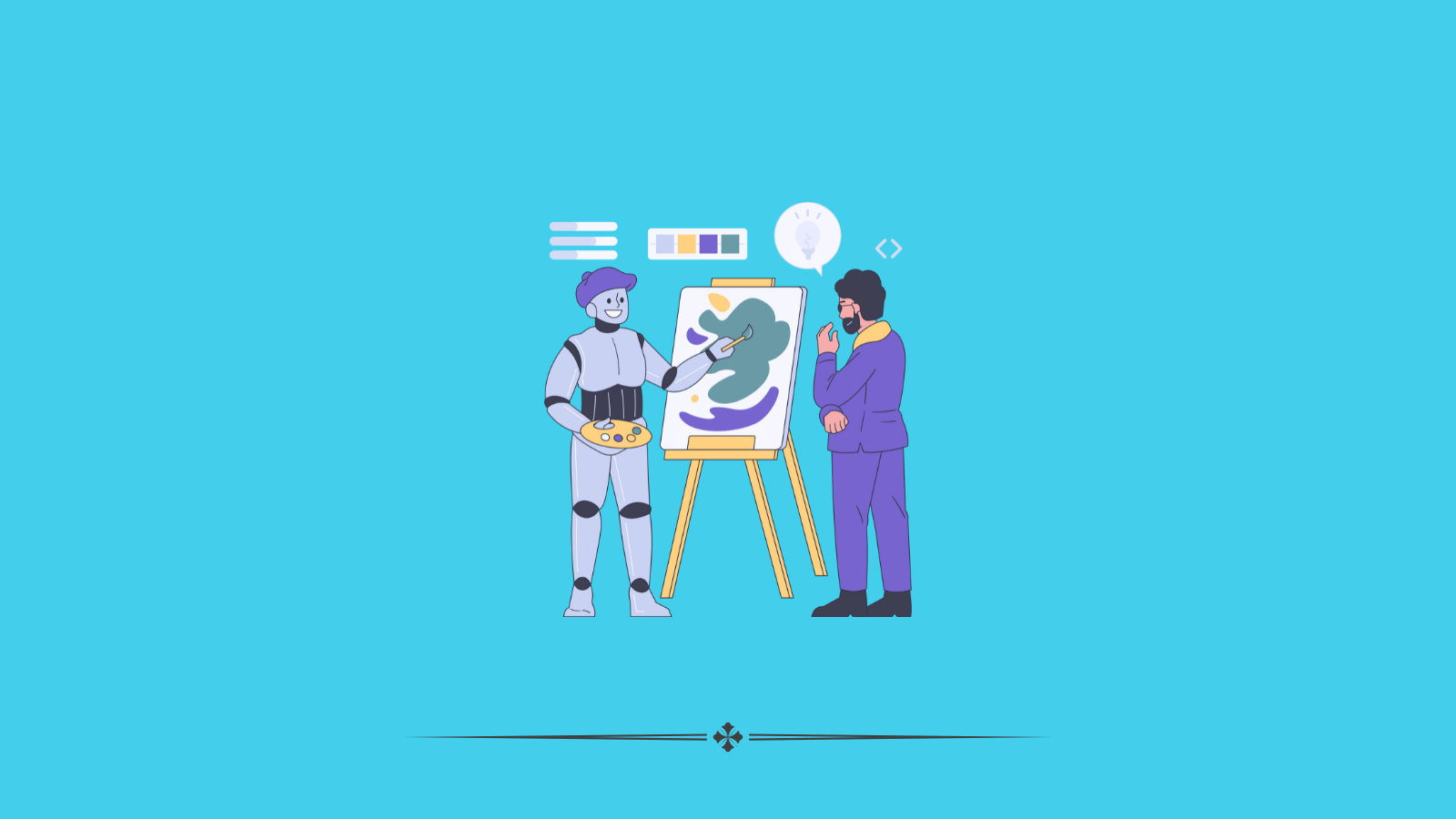
The rise of AI art generators has unlocked a world of creative possibilities. These tools can help artists push boundaries, explore new styles, and bring complex ideas to life with unprecedented ease. However, to truly harness the power of AI art generators, it’s important to approach them thoughtfully and strategically. Here are the best practices for using an AI Text-to-Image Generator to create impactful and meaningful art.
Start with a Clear Vision
Before you even touch the AI, have a clear vision of what you want to create. This doesn’t mean you need every detail figured out, but having a general direction or concept will guide your use of the AI and ensure the final piece aligns with your creative goals. Use the AI to enhance and realize your vision, not replace it.
Experiment Freely
AI art generators are fantastic for experimentation. Don’t be afraid to try different styles, techniques, and inputs. Play around with the parameters and see what the AI can do. Sometimes, the most unexpected combinations can yield the most interesting results. Let your curiosity drive the process.
Refine and Iterate
The first result is rarely the best. Use the AI to generate multiple versions of your idea, then refine and iterate on these results. Each iteration brings you closer to the final piece. Use feedback loops to continuously improve and evolve your work until it meets your standards.
Combine AI with Traditional Techniques
AI-generated art can be a great starting point, but don’t stop there. Combine AI elements with traditional art techniques. Print your digital work and add hand-drawn elements, or use AI to create complex patterns that you then paint over. This fusion of digital and traditional can create unique and compelling pieces.
Infuse Your Unique Style
AI can mimic and generate styles, but it’s your unique voice that gives the art soul. Infuse your personality, experiences, and perspective into the work. Use the AI as a tool to amplify your creativity, not replace it. Your authenticity is what will make the art resonate.
Tell a Story
Art is more powerful when it tells a story. Use AI to help build narratives within your pieces. Whether it’s a series of works that explore a theme or a single piece with intricate details, ensure there’s a narrative thread that engages the viewer. Stories add depth and meaning to your work.
Focus on Emotional Impact
Great art evokes emotion. Use AI to enhance the emotional depth of your work. Experiment with colors, textures, and compositions that evoke specific feelings. The best art moves people and makes them feel something profound.
Ethical Considerations
Be mindful of the ethical implications of using AI in your art. Respect copyright laws, give credit where it’s due, and ensure your use of AI aligns with your values. Ethical considerations are crucial in maintaining the integrity of your work and respecting the wider artistic community.
Engage with the Community
Art is a shared experience. Engage with other artists who use AI, exchange ideas, seek feedback, and collaborate. Community interactions can inspire new ideas and provide valuable insights. Collaboration and sharing enrich your work and expand your creative horizons.
Stay Updated with AI Advancements
AI technology is constantly evolving. Stay updated with the latest advancements and features of AI art generators. New tools and updates can offer new possibilities and enhance your creative process. Continuously learning and adapting ensures you make the most of what AI has to offer.
Using AI art generators is about more than just creating visually appealing pieces; it’s about expanding your creative toolkit and exploring new possibilities. Start with a clear vision, experiment freely, and iterate on your ideas. Combine AI with traditional techniques to add depth and uniqueness, and always infuse your work with your authentic voice. Focus on storytelling and emotional impact, and engage ethically with the technology and the artistic community. By following these best practices, you can harness the power of AI to create art that is not only innovative but also deeply meaningful and impactful.
Conclusion
Harnessing AI in art is a journey of discovery and innovation. By starting with a clear vision, embracing experimentation, and maintaining your authentic voice, you can create works that stand out and speak to the human experience.
Focus on the emotional impact of your art, iterate and refine, and blend AI with traditional techniques to add depth and uniqueness. Remember to tell compelling stories, leverage AI’s strengths, and consider the ethical implications of your work. Engage with the community to continuously grow and find inspiration.
Ultimately, it’s your unique perspective, amplified by the power of AI, that will create art that truly resonates and inspires. Using the right AI Art Styles can help.
Create more and better content
Check out the following resources and Grow!