Top Books for Developers for 2024 – [Beginners and Advanced]
Experience countless lifetimes and gain wisdom from Developers. Check out the best Books for Developers for Beginners and Advanced and Grow your Career!

This blog post is dedicated to the world of developers and the invaluable resource often overlooked in the digital age: books. In a profession dominated by online forums, quick tutorials, and fast-paced tech advancements, the profound impact of settling down with a comprehensive book is frequently underestimated.
We aim to reignite the passion for traditional learning through books, a medium that offers depth, structure, and a plethora of perspectives that are essential for any developer, regardless of their expertise or experience. From deep-diving into programming languages to exploring the intricate world of algorithms and design patterns, books provide a unique form of learning that is both comprehensive and immersive.
We’ll explore how books can not only enhance technical knowledge but also foster creativity, problem-solving skills, and professional growth. Whether you’re a seasoned developer or just starting, the insights gained from books can be transformational. They offer a break from the screen, a moment to reflect, and a resource that’s available anytime, anywhere, without the need for an internet connection.
Join us as we delve into the reasons why books should be a staple in every developer’s toolkit. In a field that’s constantly evolving, staying updated and deepening your understanding through reading can be your secret weapon for success. Let’s turn the page and discover the unmatched value of books in the ever-exciting journey of a developer.
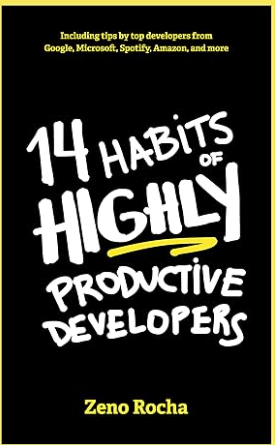
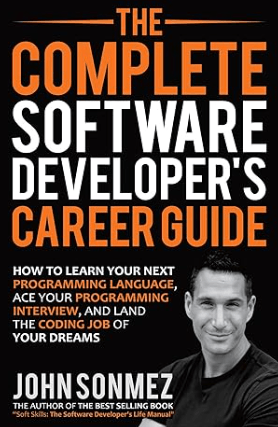
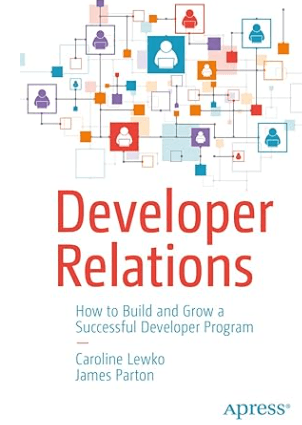
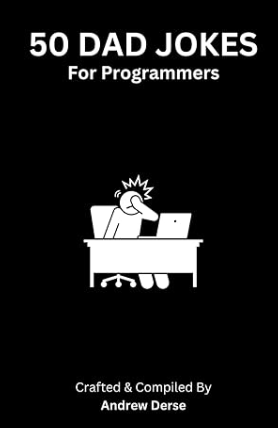
Lineup of Top Books for Developers
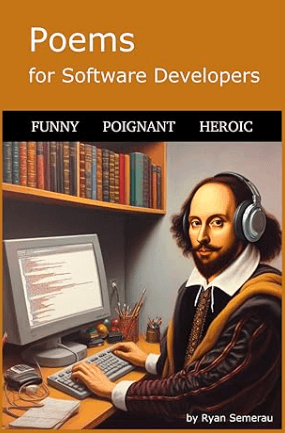
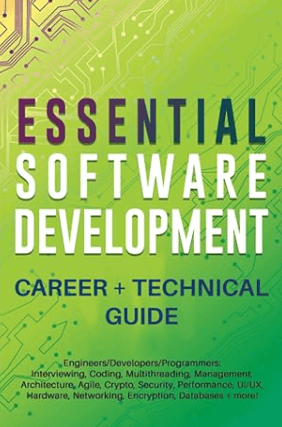
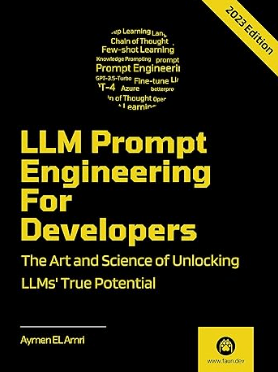
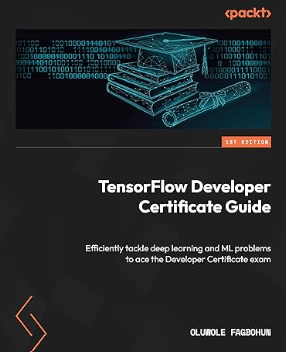
Why Developers Should Read Books to Improve their Skills

Developers should consider reading books for several compelling reasons:
Deep Learning: While online resources are great for quick answers and tutorials, books often provide a more in-depth understanding of programming concepts, principles, and best practices.
Comprehensive Coverage: Books typically cover topics in a more comprehensive manner, offering a broader perspective on subjects ranging from basic programming to advanced concepts.
Structured Learning: Books are well-structured, guiding readers through a logical progression of learning, which can be especially beneficial for beginners or those looking to strengthen their understanding of a particular area.
Diverse Perspectives: Reading books by various authors allows developers to gain different perspectives and approaches to problem-solving, which can enhance their own coding and design strategies.
Offline Learning: Books offer the convenience of learning without the need for an internet connection, allowing developers to study and reference material anywhere, anytime.
Keeping Current: With technology evolving rapidly, books on current trends, emerging technologies, and future predictions are invaluable for staying up-to-date in the field.
Language Proficiency: Books covering specific programming languages in detail can greatly improve a developer’s proficiency and understanding of language-specific nuances.
Best Practices and Design Patterns: Books on best practices and design patterns in software development provide insights into writing cleaner, more efficient, and maintainable code.
Problem Solving and Algorithms: Books focusing on algorithms and problem-solving can significantly improve a developer’s ability to tackle complex challenges and optimize code.
Professional Growth: Reading books contributes to continuous professional development, keeping developers knowledgeable and competitive in the job market.
Mental Stimulation and Creativity: Reading stimulates the mind, fosters creativity, and can often provide a new angle or solution to a problem a developer might be stuck on.
Networking and Community: Many books are written by leaders in the tech community. Reading these can connect developers to a broader community and open up networking opportunities.
Books are a rich source of knowledge and insight, offering developers a well-rounded approach to learning and staying current in their field. Whether it’s mastering a new programming language, understanding complex algorithms, or simply finding inspiration for the next big project, books have an indispensable role to play in a developer’s journey.
Read more inspiring books:
- Top Fiction and Non-Fiction Books
- Top Marketing Books
- Top Sustainability Books
- Top Woman Empowerment Books
- Top Lead Generation Books
- Top Nonprofit, Charity, NGO Books
- Top Technology Books
- Top Artificial Intelligence Books
- Top Social Media Marketing Books
- Top Entrepreneur Books
- Top Fitness Books
- Top Web Design Books
- Top Books for Developers