Top Web Design Books for 2024 – [Beginners and Advanced]
Experience countless lifetimes and gain wisdom from Web Design Pros. Check out the best Web Design Books for Beginners and Advanced and create something beautiful!

Let’s delve into the dynamic and ever-evolving world of web design! Today, we’re focusing on an often-overlooked aspect of a designer’s toolkit – books. Yes, in an age dominated by digital learning and online resources, the value of a good old-fashioned book is sometimes forgotten. But here’s why it shouldn’t be.
In this post, we’ll explore the myriad reasons why web designers, regardless of their experience level, should immerse themselves in the pages of books. From understanding the core principles of design to keeping pace with the rapid changes in technology and user experience, books offer a depth and breadth of knowledge that is hard to match.
Books are not just repositories of information; they are gateways to new ideas, inspirations, and innovations. They challenge our thinking, expand our horizons, and refine our skills. For a web designer looking to excel in their craft, reading books can be transformative.
Join us as we discuss how books can enhance creativity, improve problem-solving skills, and keep web designers at the forefront of the latest trends and best practices. Whether you’re a seasoned designer looking to refresh your knowledge or a newcomer eager to dive into the world of web design, this post is for you.
Let’s turn the page and discover the untapped potential that books hold in shaping the future of web design.
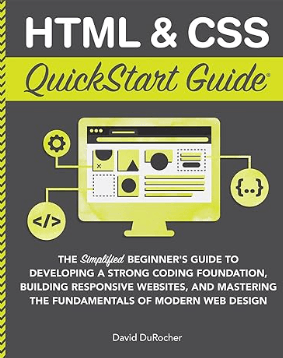
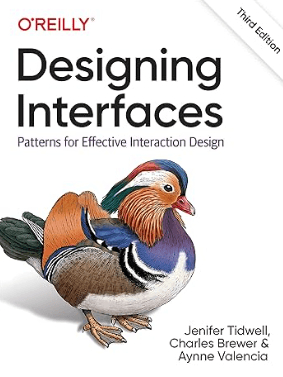
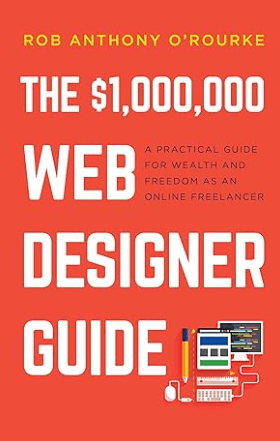
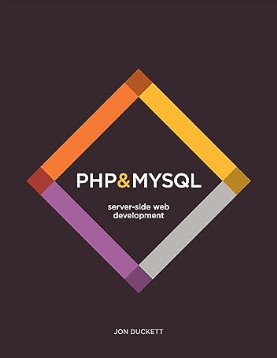
Lineup of Top Web Design Books
Why Web Designers Should Read Books to Improve their Skills

Web designers can greatly benefit from reading books for several reasons:
Foundational Knowledge: Books provide comprehensive insights into fundamental design principles, web development languages, and best practices in web design. This foundational knowledge is crucial for both beginners and experienced designers.
Trends and Innovations: The world of web design is constantly evolving. Books on current trends and future predictions can keep designers up-to-date with the latest technologies, styles, and user experience strategies.
Enhanced Creativity: Reading books, especially those that focus on design theory and creative processes, can spark new ideas and inspire innovative designs.
Problem-Solving Skills: Books often present case studies and real-world problems, offering solutions that designers can apply in their work. This helps in developing critical thinking and problem-solving skills.
User Experience (UX) and User Interface (UI) Best Practices: Books on UX and UI provide insights into user behavior, accessibility, and usability, which are crucial for creating effective and user-friendly websites.
Coding and Technical Skills: For web designers who are involved in coding, books on HTML, CSS, JavaScript, and other languages can be invaluable for refining and expanding their technical skills.
Professional Development: Reading books can contribute to continuous professional development, keeping designers abreast of new tools, software, and methodologies in web design.
Networking and Community: Many books are written by leading figures in the web design community. Reading these books can help designers connect with the broader community, understand different perspectives, and potentially open up networking opportunities.
Portfolio Diversification: Exposure to a wide range of topics and styles through books can help web designers diversify their portfolio, appealing to a broader range of clients or employers.
Mental Stimulation: Reading stimulates the mind, encourages creative thinking, and can be a source of relaxation and mental rejuvenation, which is important in a field as dynamic and sometimes stressful as web design.
Books offer web designers a wealth of knowledge and inspiration that can enhance their skills, creativity, and professional growth. Whether it’s staying updated on the latest web technologies or exploring the depths of design theory, there’s always something valuable to gain from the pages of a good book.
Read more inspiring books:
- Top Fiction and Non-Fiction Books
- Top Marketing Books
- Top Sustainability Books
- Top Woman Empowerment Books
- Top Lead Generation Books
- Top Nonprofit, Charity, NGO Books
- Top Technology Books
- Top Artificial Intelligence Books
- Top Social Media Marketing Books
- Top Entrepreneur Books
- Top Fitness Books
- Top Web Design Books
- Top Books for Developers