Top Fitness Books [For Starters and Advanced]

Grow your Fitness Level with the nest books. No matter if you’re just starting out or if you’re advanced.

best books

Let’s dive into the transformative world of fitness books! In a time when health and well-being have taken center stage in our lives, understanding the role of fitness is more crucial than ever. Whether you’re just embarking on your fitness journey or you’re a seasoned athlete looking for new insights, fitness books offer a treasure trove of knowledge and inspiration.

In this post, we’ll explore why fitness books are not just another trend, but a fundamental resource for anyone looking to enhance their physical and mental well-being. From the educational value they provide in understanding the science of exercise and nutrition, to the motivational stories that fuel our drive to achieve our fitness goals, these books are a catalyst for change. They offer structured programs, crucial insights into safety and technique, and a holistic approach to health that transcends the physical aspects of fitness.

So, whether you’re looking to revolutionize your workout routine, seeking motivation to maintain a healthy lifestyle, or simply curious about the latest trends and research in fitness, join us as we delve into the compelling reasons why everyone should consider reading fitness books. Let’s turn the page to a healthier, stronger, and more informed you!

Lineup of Top Fitness Books

Overcoming The 7 Deadly Sins for Ultimate Success

Overcoming The 7 Deadly Sins for Ultimate Success. The Hero’s Heart

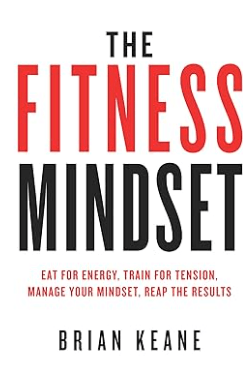
The Fitness Mindset: Eat for energy, Train for tension, Manage your mindset, Reap the results

The Fitness Mindset Eat for energy, Train for tension, Manage your mindset, Reap the results Book by Brian Keane

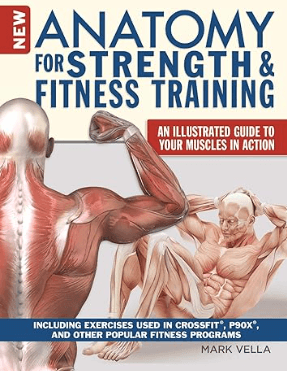
New Anatomy for Strength & Fitness Training: An Illustrated Guide to Your Muscles in Action Including Exercises Used in CrossFit®, P90X®, and Other Popular Fitness Programs

New Anatomy for Strength and Fitness Training An Illustrated Guide to Your Muscles in Action Including Exercises Used in CrossFit, P90X, and Other Popular Fitness Programs

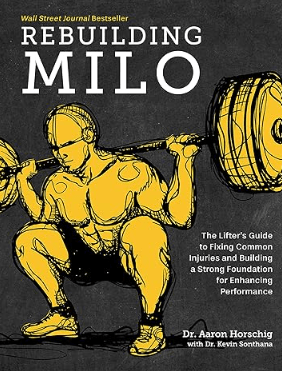
Rebuilding Milo: A Lifter’s Guide to Fixing Common Injuries and Building a Strong Foundation for Enhancing Performance

Rebuilding Milo A Lifter's Guide to Fixing Common Injuries and Building a Strong Foundation for Enhancing Performance

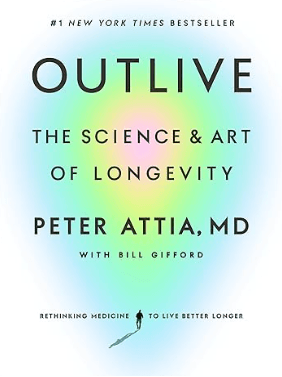
Outlive: The Science and Art of Longevity

Outlive The Science and Art of Longevity Book by Peter Attia MD and Bill Gifford

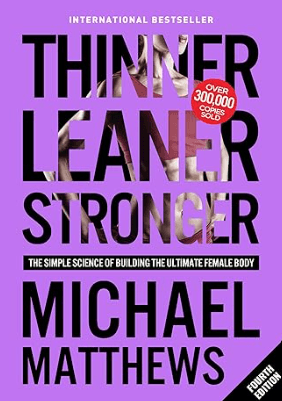
Thinner Leaner Stronger: The Simple Science of Building the Ultimate Female Body

Thinner Leaner Stronger The Simple Science of Building the Ultimate Female Body Book

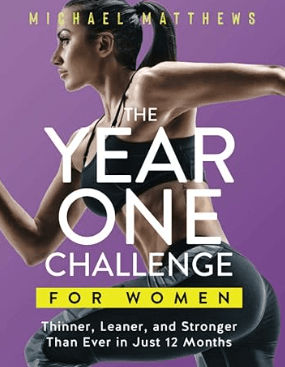
The Year One Challenge for Women: Thinner, Leaner, and Stronger Than Ever in 12 Months (The Thinner Leaner Stronger Series)

The Year One Challenge for Women Thinner, Leaner, and Stronger Than Ever in 12 Months (The Thinner Leaner Stronger Series)

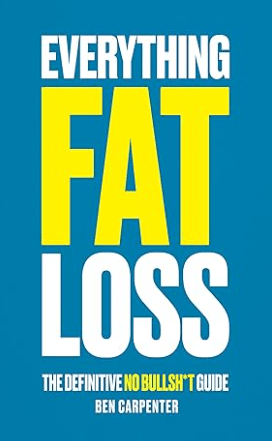
Everything Fat Loss: The Definitive No Bullsh*t Guide

Everything Fat Loss The Definitive No Bullsht Guide Book
Fitness Books at a Glance
Category Ideal Reader Key Takeaway Best Use Case Typical Length
Strength Training Gym-goers, athletes Progressive overload and lifting form Muscle building, power 220–300 pages
Cardio & Endurance Runners, cyclists Training for stamina and VO2 max Marathon or race prep 200–280 pages
Weight Loss General readers Sustainable fat loss methods Health and aesthetics 200–260 pages
Nutrition & Diet Fitness enthusiasts Fueling workouts and recovery Meal planning 180–250 pages
Bodyweight Training Minimal equipment users Effective workouts anywhere Travel, home fitness 180–240 pages
Mobility & Flexibility All athletes Injury prevention, joint health Daily warmups or recovery 180–220 pages
Sports Performance Athletes Peak performance methods Competitive training 220–300 pages
Recovery & Injury Prevention Active individuals Foam rolling, stretching, rest Post-training recovery 200–240 pages
Mental Fitness Everyone Mindset and motivation Discipline, consistency 180–250 pages
Holistic Wellness General readers Blending fitness with lifestyle Long-term health 200–280 pages
Notes: Fitness books are most effective when paired with action—apply one new training or nutrition habit right after reading.

Why People Should Read Fitness Books

Why People Should Read Fitness Books

Reading fitness books can be highly beneficial for various reasons:

Educational Value: Fitness books often provide a wealth of knowledge about exercise science, nutrition, and the human body. This can help readers understand how different exercises impact their body and the science behind nutrition and fitness.

Motivation and Inspiration: Many fitness books include success stories, motivational quotes, and transformative journeys that can inspire readers to start or continue their fitness journey.

Structured Programs: They often offer structured workout and diet plans, making it easier for beginners to start and for experienced individuals to try new approaches.

Safety and Technique: Fitness books can educate readers about proper form and technique for various exercises, which is crucial for preventing injuries.

Holistic Health Approach: They frequently cover topics beyond physical exercise, such as mental well-being, sleep, and stress management, contributing to a more holistic approach to health.

Personalization: By reading different fitness books, individuals can learn various methods and find what works best for their body type, fitness level, and personal goals.

Latest Trends and Research: Fitness books often include the latest research and trends in the fitness world, keeping readers up-to-date with new information and practices.

Cost-Effective Learning: Reading books is a cost-effective way to access expert knowledge and advice, which might otherwise be expensive if sought through personal trainers or nutritionists.

Fitness books are a valuable resource for anyone looking to improve their physical health, gain knowledge, and find motivation and inspiration in their fitness journey.

Frequently Asked Questions

Who should read fitness books?

They’re for beginners, athletes, trainers, and anyone interested in improving strength, endurance, flexibility, or overall health.

What topics do fitness books cover?

They include strength training, cardio, nutrition, mobility, weight loss, recovery, sports performance, and mental resilience.

Are fitness books beginner-friendly?

Yes. Many are written with simple, step-by-step plans, while others go deep into advanced training science.

Do fitness books include workout plans?

Yes. Many feature sample routines, progressive programs, and exercise guides with illustrations.

Can fitness books help with weight loss?

Yes. Several combine nutrition advice with sustainable training approaches to support fat loss and energy balance.

How long are most fitness books?

They typically run 180 to 300 pages, making them practical and action-focused.

Do they cover nutrition alongside workouts?

Yes. Many include chapters on diet, supplements, hydration, and fueling for performance.

Are fitness books good for athletes?

Definitely. Athletes use them for specialized training methods, recovery strategies, and peak performance insights.

Do fitness books cover mental fitness too?

Yes. Mindset, motivation, and discipline are common themes that go hand in hand with physical training.

Are there fitness books on recovery and injury prevention?

Yes. Foam rolling, mobility, stretching, and recovery routines are often included.

Can fitness books help build muscle?

Yes. Many focus on hypertrophy training, progressive overload, and strength programming.

Do fitness books require gym equipment?

Not always. Many bodyweight-focused titles show how to train anywhere.

How do I pick the right fitness book?

Choose based on your goal, whether it’s weight loss, strength, endurance, flexibility, or overall wellness.